
As the Texas sun beats down year after year on your backyard oasis, even the most well-maintained swimming pools eventually show signs of age and wear. Whether you’re dealing with outdated aesthetics, deteriorating surfaces, inefficient equipment, or simply dreaming of new features, pool remodeling can breathe new life into your outdoor space and extend the enjoyment of your investment for years to come.
For Dallas-Fort Worth homeowners, pool renovation comes with unique considerations, from our clay soil challenges to extreme temperature fluctuations that can impact various pool materials differently. This comprehensive guide will walk you through everything you need to know about pool remodeling in North Texas—from recognizing when it’s time to renovate to finding the right professionals for the job.
Table of Contents
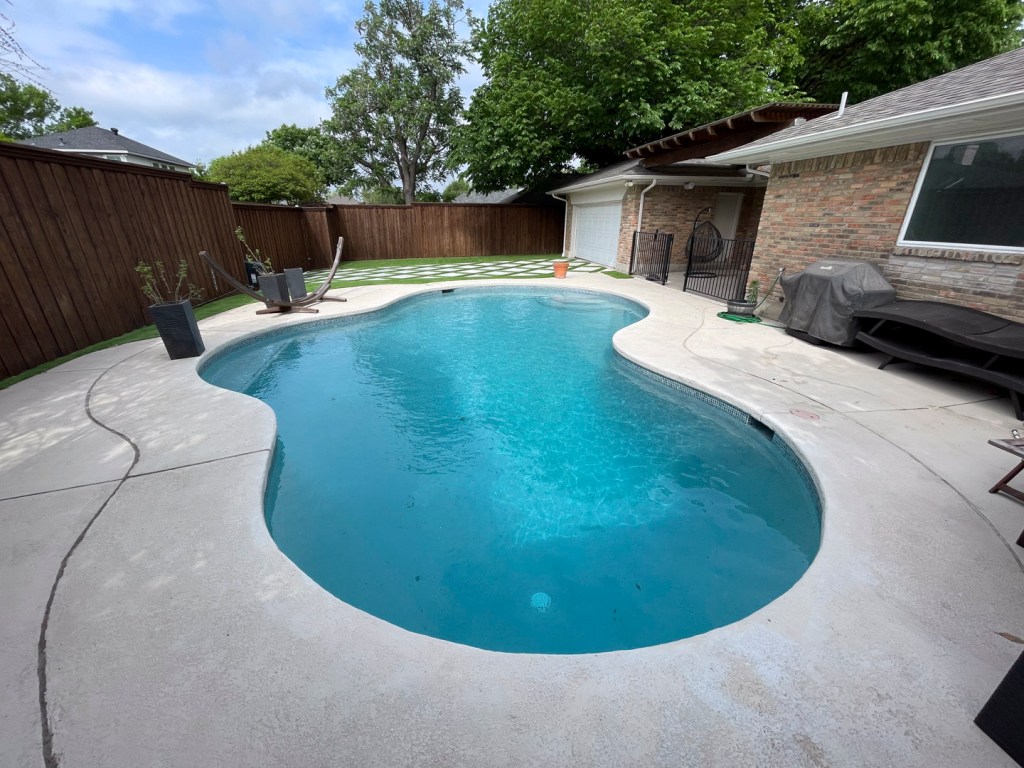
Signs It’s Time to Remodel Your Pool
How do you know when your pool is ready for a makeover? Here are the telltale indicators that Dallas-Fort Worth pool owners should watch for:
Surface Deterioration
The harsh Texas sun, fluctuating temperatures, and chemical exposure can take a toll on pool surfaces. Look for these warning signs:
- Rough spots that can scratch skin or snag swimwear
- Staining that doesn’t respond to chemical treatments
- Flaking or chipping of plaster or aggregate finishes
- Visible cracks in the pool shell or coping
- Faded color or discoloration throughout the surface
Most pool surfaces in North Texas last 7-15 years depending on the material, maintenance, and our local water conditions. If your pool is approaching this age range and showing these symptoms, resurfacing should be a priority in your remodeling plan.
Outdated or Inefficient Equipment
Pool technology has advanced significantly in the past decade. Consider upgrading if:
- Your equipment is more than 7-10 years old
- You’re experiencing frequent repairs
- Your energy bills seem excessive
- The pool struggles to maintain proper chemical balance
- You’re still using single-speed pumps instead of variable-speed options
Equipment upgrades during remodeling are particularly valuable in our region, where the long swimming season means equipment runs for more months each year than in northern states.
Aesthetic Concerns
Sometimes the motivation for remodeling is simply that your pool looks dated or no longer matches your vision:
- The design feels outdated compared to current trends
- Tile and coping styles from previous decades
- The pool doesn’t complement recent home renovations
- You want additional features not included in the original design
- The landscaping and pool area feel disconnected
Safety Issues
Never overlook safety concerns as signals for remodeling:
- Slippery deck surfaces that become hazardous when wet
- Outdated main drain covers that don’t meet current anti-entrapment standards
- Deteriorated steps or ladders
- Inadequate depth markers or safety signage
- Lack of modern safety features like barriers or alarms

Popular Pool Remodeling Projects in DFW
Based on current trends and requests from Dallas-Fort Worth homeowners, these remodeling projects are particularly popular in our region:
Resurfacing
The most common remodeling project for aging pools. Popular options in North Texas include:
- Pebble finishes: Extremely durable and well-suited to our climate extremes, with a natural, textured look
- Quartz aggregate: Offers a good balance of durability and smoothness with varied color options
- Glass beads: Creates a sparkly, reflective surface that pairs well with LED lighting
- Traditional plaster: The most affordable option, though less durable in our climate
The best finish for your pool depends on your aesthetic preferences, budget, and how the material performs in our specific climate conditions.
Modern Deck Replacements
Many older Dallas-Fort Worth pools are surrounded by plain concrete decks that crack due to our expansive clay soils. Popular replacements include:
- Travertine: Natural stone that stays cooler underfoot during scorching Texas summers
- Pavers: Available in numerous styles and colors with excellent durability
- Decorative concrete: Stamped or stained for a custom look at a moderate price point
- Composite decking: For raised deck areas surrounding the pool
Water Feature Additions
Adding moving water elements creates visual interest and pleasant sounds:
- Sheer descents: Sleek water sheets that create a modern, minimalist waterfall
- Rock waterfalls: Natural-looking features that blend with landscaping
- Laminar jets: Create arcs of water that can be illuminated with LED lighting
- Bubbler fountains: Simple features that add movement to shallow areas or tanning ledges
Functional Upgrades
Practical improvements that enhance the usability of your pool:
- Tanning ledges: Shallow areas perfect for lounging in just a few inches of water
- Beach entries: Zero-depth entries that gradually slope into the pool
- Additional steps or seating: Integrated benches and entry points
- Expanded shallow areas: Converting deep ends to more usable moderate depths
- Attached spas: Adding a spa that integrates with your existing pool
Equipment Modernization
Technology upgrades that improve efficiency and convenience:
- Variable-speed pumps: Can reduce energy usage by up to 80%
- Salt chlorine generators: Produce chlorine naturally for softer water and reduced chemical handling
- Automation systems: Control all pool functions from your smartphone
- LED lighting: Energy-efficient replacement for older incandescent or halogen lights
- Heat pumps or solar heating: Extend your swimming season in the DFW area

The Pool Remodeling Process: What to Expect
Understanding the typical renovation process helps set realistic expectations for your project. Here’s how pool remodeling generally unfolds in the Dallas-Fort Worth area:
1. Initial Consultation and Assessment
A reputable pool remodeling company will begin with a thorough evaluation of your existing pool:
- Current condition assessment
- Discussion of your goals and wish list
- Preliminary budget conversation
- Measurement and documentation of the existing pool
- Photos of areas needing attention
- Equipment inspection
This consultation should be comprehensive enough to generate realistic recommendations but is typically offered at no cost.
2. Design and Proposal Development
Based on the assessment, your contractor will develop:
- Detailed scope of work
- Material recommendations suitable for North Texas conditions
- Itemized cost estimates
- Project timeline
- 3D renderings for significant redesigns
- Material samples to review (tile, coping, surface options)
Take time to review these materials carefully and ask questions about how different options perform in our local climate.
3. Contract and Planning
Once you’ve decided to move forward:
- Review and sign the contract
- Make material selections
- Set a tentative start date (often weather-dependent in DFW)
- Secure any necessary permits (requirements vary by city in the Metroplex)
- Plan for alternate arrangements during construction
- Discuss access needs for equipment and crews
4. Pool Draining and Demolition
The active work begins:
- Professional draining of the pool (important: never drain a pool yourself in our soil conditions)
- Removal of tile, coping, and other elements being replaced
- Preparation of surfaces for new materials
- Equipment removal if being replaced
- Potential structural repairs if needed
This phase is particularly important in DFW, as our expansive clay soils can cause issues with drained pools. Professional contractors understand the precautions needed.
5. Installation of New Features and Materials
The transformation takes shape:
- Application of new surface materials
- Installation of tile and coping
- Deck work and surrounding hardscape
- New equipment installation
- Plumbing upgrades if included
- Addition of new features like bench seating or water elements
6. Finishing and Start-Up
The final phase includes:
- Final detailing and cleanup
- Filling the pool (can take 24-48 hours for standard pools)
- Chemical balancing and system testing
- Owner education on new equipment
- Final inspection and walkthrough
Pool Remodeling Timeline: How Long Will It Take?
The duration of pool remodeling projects varies based on scope, but here’s a general timeline for Dallas-Fort Worth homeowners:
Simple Resurfacing: 1-2 Weeks
- Draining: 1 day
- Surface preparation: 1-2 days
- Application of new surface: 1-2 days
- Curing time: 3-5 days
- Fill and chemical balancing: 2-3 days
Moderate Remodeling (Surface + Tile/Coping): 2-4 Weeks
- Demolition and preparation: 3-5 days
- New tile and coping installation: 3-5 days
- Surface application: 1-2 days
- Curing time: 3-5 days
- Deck work if included: 3-7 days
- Fill and startup: 2-3 days
Comprehensive Remodeling (Major Changes): 4-8 Weeks
- Demolition: 3-7 days
- Structural modifications: 5-10 days
- New plumbing/electrical: 3-5 days
- Surface, tile, coping work: 5-10 days
- Equipment installation: 2-3 days
- Deck and hardscape: 7-14 days
- Final details and startup: 3-5 days
Important DFW Considerations: Weather plays a significant role in timing for pool remodeling in North Texas. Spring rain delays are common, and extreme summer heat can affect curing times for certain materials. Most contractors recommend planning remodeling projects for fall or early spring when weather conditions are most favorable.
Cost Breakdown for Pool Remodeling in North Texas
Remodeling costs can vary widely based on the size of your pool and scope of work. Here’s what Dallas-Fort Worth homeowners can expect to invest in various remodeling projects in 2025:
Basic Surface Refinishing
- Plaster: $5,000-$9,000
- Quartz aggregate: $8,000-$12,000
- Pebble finishes: $12,000-$18,000
- Glass bead finishes: $15,000-$20,000
Tile and Coping Replacement
- Standard ceramic tile: $2,500-$5,000
- Premium glass tile: $5,000-$12,000
- Standard coping: $2,000-$4,000
- Natural stone coping: $4,000-$8,000
Deck Replacement (400 sq ft average)
- Standard concrete: $6,000-$12,000
- Stamped or decorative concrete: $12,000-$18,000
- Pavers: $14,000-$20,000
- Travertine or natural stone: $18,000-$30,000
Equipment Upgrades
- Variable-speed pump: $1,200-$3,000
- Salt chlorine generator: $1,500-$3,500
- Automation system: $2,500-$7,500
- LED lighting package: $1,500-$4,000
- Heat pump: $4,000-$8,000
Feature Additions
- Tanning ledge: $5,000-$15,000
- Rock waterfall: $7,000-$20,000
- Sheer descent water feature: $2,500-$5,000
- Attached spa: $15,000-$30,000
- Fire features: $5,000-$15,000 each
Complete Pool Remodeling Packages
- Basic refresh (surface, tile, coping): $15,000-$30,000
- Moderate remodel (surface, tile, coping, key equipment): $25,000-$45,000
- Major transformation (all of the above plus deck and features): $50,000-$100,000+
Local Cost Factors: Labor costs in the Dallas-Fort Worth area tend to be slightly higher than the national average due to the strong construction market. Material costs can also be affected by shipping distances for specialty items not manufactured locally.
Finding Reliable “Pool Remodeling Near Me”: How to Choose the Right Contractor
Selecting the right pool remodeling contractor is crucial for success. Here’s how to find reliable pool remodeling specialists in the Dallas-Fort Worth area:
Research and Verification
- Check licensing status with the Texas Department of Licensing and Regulation
- Verify insurance coverage (general liability and workers’ compensation)
- Check Better Business Bureau ratings and complaint history
- Research online reviews across multiple platforms (Google, Yelp, Houzz, etc.)
- Verify membership in professional associations like APSP (Association of Pool & Spa Professionals)
Experience and Specialization
- Look for companies with specific experience in remodeling (not just new construction)
- Ask how many years they’ve worked specifically in the DFW area
- Inquire about their experience with your particular type of pool (gunite, fiberglass, vinyl)
- Request examples of projects similar to what you’re planning
Local Considerations
When searching for “pool remodeling near me” in the Dallas-Fort Worth area, consider these regional factors:
- Clay soil expertise: Our expansive clay soils require specific knowledge for drainage and structural considerations
- Weather adaptation: Experienced contractors schedule work around our seasonal weather patterns
- Local code familiarity: Building codes vary significantly between DFW cities
- Material recommendations: Local pros know which materials stand up best to our climate extremes
Questions to Ask Potential Contractors
- “How long have you been remodeling pools in the DFW area?”
- “What percentage of your business is remodeling versus new construction?”
- “Do you handle permitting with my specific city?”
- “What warranty do you offer on your work and materials?”
- “Will you provide references from similar projects completed in the past year?”
- “Who will be my direct contact person throughout the project?”
- “Do you offer a written timeline with project milestones?”
- “How do you handle unexpected issues that arise during remodeling?”
Red Flags to Watch For
Be wary of contractors who:
- Require large upfront payments (more than 10-20% is unusual)
- Cannot provide proof of insurance and proper licensing
- Have no physical business address in the DFW area
- Offer quotes significantly lower than other estimates
- Are unwilling to provide local references
- Pressure you to make immediate decisions
- Have frequent complaints about communication issues
Financing Your Pool Remodeling Project
Most Dallas-Fort Worth homeowners utilize one of these financing methods for pool renovations:
Home Equity Options
- Home Equity Loans: Fixed-rate loans using your home as collateral, typically with rates between 5.5-7.5% as of early 2025
- Home Equity Lines of Credit (HELOCs): Variable rate lines of credit that allow flexible borrowing, currently averaging 6.5-8.5% in DFW
Pool-Specific Financing
- Several pool remodeling companies partner with lenders offering specialized financing
- Rates typically range from 6.99-13.99% depending on credit score
- Terms usually range from 7-15 years
- Often feature same-as-cash periods for qualified buyers
Personal Loans
- Unsecured loans based on credit score and income
- Higher interest rates (typically 8-16%)
- Faster approval process than equity options
- Good for smaller projects under $25,000
Local Considerations
In the current DFW market, many homeowners are leveraging increased property values to utilize home equity options. With average home appreciation of 8-12% annually in many parts of the Metroplex, this has become an increasingly popular financing method for major pool renovations.
Conclusion: Is Pool Remodeling Worth the Investment?
For most Dallas-Fort Worth homeowners, pool remodeling represents a valuable investment for several reasons:
Extended Usability
With our region’s long swimming season (often April through October), a renovated pool provides 6+ months of annual enjoyment.
Property Value Enhancement
According to local real estate data, updated pools typically return 65-75% of their cost in home value in the DFW market—significantly higher than the national average of 50-60%.
Cost Avoidance
Addressing deterioration early prevents more expensive structural issues later. Many equipment upgrades pay for themselves in energy savings within 2-5 years.
Lifestyle Improvement
The Texas outdoor living lifestyle centers around water, especially during our hot summers. A renovated pool enhances quality of life and entertainment options.
When considering pool remodeling in Dallas-Fort Worth, the key is finding the right balance between addressing necessary repairs, improving efficiency, and enhancing aesthetics within your budget. By understanding the process, costs, and considerations outlined in this guide, you’ll be well-equipped to make informed decisions about renovating your backyard oasis.
Ready to explore pool remodeling options for your Dallas-Fort Worth home? Contact TX Pool & Construction today for a complimentary consultation and discover how we can transform your outdated pool into the backyard paradise you’ve been dreaming of.

This guide was created by TX Pool & Construction, specializing in custom pool remodeling throughout the Dallas-Fort Worth Metroplex. Information is current as of March 2025 but is subject to change based on material costs and market conditions.